No scientific evidence supports sapphires balancing anxiety for air signs (Gemini, Libra, Aquarius) or others. Any calming effect stems from cultural traditions or personal belief—not proven physical properties. Gemstones cannot clinically influence emotional states, regardless of astrological associations.
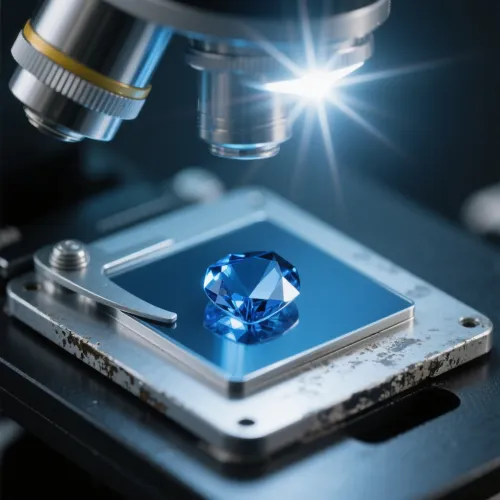
Picture your favorite local jewelry counter: sparkling blue stones catching the light while a stressed shopper wonders if sapphire's "calming legend" could help their racing thoughts. Many seek these gems hoping for anxiety relief, especially those who identify as air signs. But how do we separate cultural stories from geological reality? This checklist helps you navigate the intersection of gemology and wellness claims objectively. We’ll unpack six common assumptions through verifiable traits—like how sapphires form, why their color shifts under light, and what evidence says about emotional effects. Whether you’re browsing online or discussing jewelry with friends, these angles create a practical lens for informed decisions.
Many assume sapphires inherently calm anxiety through mystical energy. Tradition often blurs with perceived reality here. While folklore connects blue stones to tranquility, scientifically verifiable effects remain undocumented.
Any perceived emotional influence likely results from personal or cultural associations. Sapphires are aluminum oxide crystals colored by titanium and iron—elements lacking clinical anxiety-relieving properties. Emotional states remain separate from mineral interactions.
Imagine a Libra friend insisting their sapphire pendant uniquely harmonizes their "airy" stress. However, astrology’s air signs have identical biological responses to minerals as other groups—research shows no sign-specific physical reactions.
Gemini, Libra, and Aquarius share symbolic ties to intellect and communication in astrological systems. Mineral science finds no correlation between these archetypes and how one experiences sapphires.
Psychological resonance with jewelry depends on personal meaning, not cosmic alignment. Studies using control groups find no consistent emotional differences based on astrological signs regarding gem interactions.
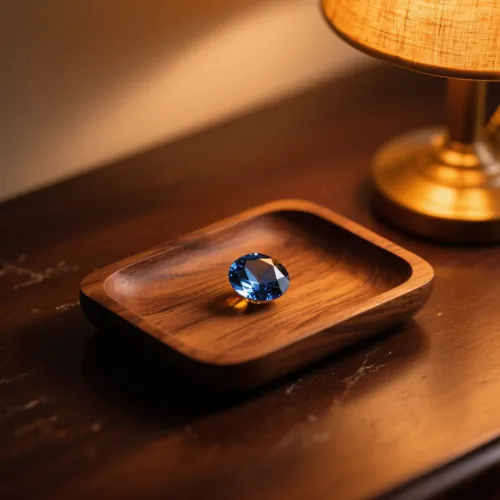
A common belief suggests deeper blue sapphires offer stronger calming effects due to color psychology. While humans associate blue with serenity, the saturation actually comes from geological processes.
Titanium levels during formation create blue hues—not "emotional potency." Heat treatment can enhance darkness, improving visual appeal without altering core chemistry. Color zoning patterns often indicate natural origins too.
Picture vendors highlighting "ancient Indian sapphires" for their "powerful energies." Geological origin affects rarity and market value—not experiential properties. Stones from Sri Lanka, Madagascar, or Australia share identical chemistry.
Historical scarcity or exceptional clarity in certain mines creates desirability. Verified reports from labs like GIA provide clarity on provenance for investment purposes.
Stones don’t carry location-specific "vibes." Differences in perception stem from storytelling, like associating Ceylon sapphires with royalty. Modern gemology focuses on trace elements visible through spectroscopy.
A friend’s grandmother insists sapphires steadied nerves "for centuries." Historical contexts used gems symbolically—as talismans representing concepts like wisdom—not validated mental health aids.
Evidence-based anxiety management relies on clinical methods without mineral involvement. While traditions enrich cultural dialogue, they lack peer-reviewed validation as therapeutic tools.
Next time you browse sapphire earrings or receive one as a gift, pause with these practical filters:
When stress lingers, consider that the true gem might be pausing to admire something beautiful—like blue light playing through your sapphire's facets—while seeking proven support methods that fit your life.
Q: How do sapphires form geologically?
A: Natural sapphires crystallize under extreme heat and pressure within metamorphic rocks, taking millions of years. Trace elements like titanium create their signature blue during formation.
Q: Are lighter blue sapphires less valuable than darker ones?
A: Color preference varies—vibrant medium blues often command premiums, but paler stones might appeal for subtlety or artful settings, depending on market demand.
Q: Do sapphires require special maintenance?
A: Due to their high Mohs hardness (9), they resist scratches well but benefit from gentle cleaning. Avoid ultrasonic cleaners to prevent microscopic fractures in stones with inclusions.
Q: Can synthetic sapphires differ in effects?
A: Lab-created sapphires share identical physical/chemical traits with natural ones. Any perceived differences originate from psychological or aesthetic factors, not composition.


$
