Negotiating sapphire prices is often possible at independent jewelers but less common in large chain stores. Success hinges on understanding stone quality markers like color saturation and clarity grades, retailer policies, and current market conditions. Researching comparable values beforehand significantly improves bargaining outcomes – particularly with non-certified stones where valuation ranges are wider.
Picture this: you're admiring a sapphire ring in a jewelry store window, wondering if the price tag is final or flexible. Many shoppers freeze at this moment, assuming jewelers never negotiate. Now imagine holding this checklist in mind during that exact scenario – decoding pricing strategies through six decisive factors we'll walk through together. It transforms an awkward conversation into an informed dialogue about actual value. That precise shift from assumption to reality turns potential anxiety into actionable insight, one observable clue at a time.
Consider how many buyers believe all jewelry carries rigid non-negotiable tags – a perspective reinforced when chains state "prices firm". The reality? This blanket assumption overlooks how independent jewelers build negotiation lanes directly into their pricing structure. Recognizing this distinction deserves its own focus because mistaking corporate rigidity for industry-wide policy could cost thousands.
Independent jewelers typically purchase stones at wholesale rates, creating built-in markup ranges that allow bargaining. Unlike chains bound by centralized pricing algorithms, smaller shops may adjust figures during slower periods to maintain cash flow. This tendency may increase when customer traffic dwindles, especially if overhead costs are weighing on margins that quarter.
Notice these details before initiating price talks:
Many shoppers enter negotiations fixated on carat weight, assuming larger automatically means wiggle room. The misconception? That sapphire valuation lives purely by size benchmarks rather than the balancing act between color purity, geographic origin, and visible clarity characteristics.
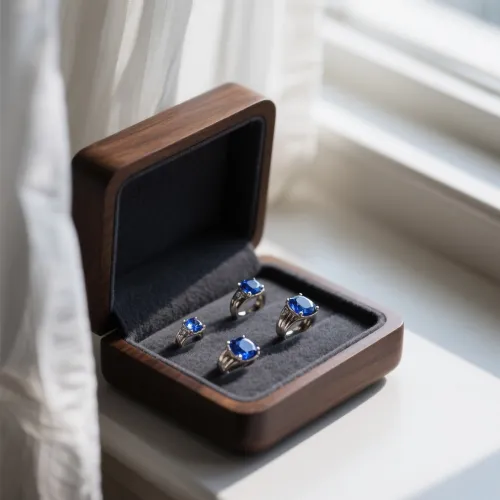
Deep royal-blue sapphires command premiums over lighter cornflower varieties but retain negotiation headroom in independent boutiques. Heat-treated stones show enhanced color yet trade at lower valuation points than unheated specimens, potentially widening discount margins by 5-15% according to treatment visibility and documentation. Under magnification, inclusions can affect valuation differently – feathers along girdles prove more problematic than centered needles.
Jewelers expecting negotiation readiness often respond positively to informed requests:
Conventional wisdom suggests holidays spike luxury buying without benefiting hagglers. Market reality shows January inventory clearances and recessionary periods create urgency that may override typical pricing resistance. Retailers burdened with interest payments or seasonal stock may entertain offers they'd reject during peak demand windows.
Inflation can tighten jewelers' profit margins, reducing everyday leeway for discounts outside planned events. However, end-of-quarter cycles may see surprising flexibility as businesses aim to meet volume targets. Local economic factors like tourism dips or shopping district shifts can temporarily influence pricing strategies beyond national trends.
Before stepping into any jewelry shop:
Picture yourself walking past the window display tomorrow with these insights in mind. Notice how differently you assess the price tags after understanding behind-the-scenes markers at play. When the sales associate approaches, you already know which negotiating levers to pull if interested. This awareness changes the entire dynamic – turning intimidating fine jewelry counters into familiar terrain where you recognize the rules.
Why might chain stores reject negotiation outright? Structured corporate pricing models with thin margin allocations restrict manager discretion. Commission structures also sometimes penalize deviations from listed prices.
What discount range might lab-grown sapphires offer? Synthetic pricing typically includes less margin padding than natural gems, potentially limiting percentages but facilitating package deals including settings.
How do payment methods affect negotiation success? Cash payments avoid credit processing fees, creating 2-4% buffer jewelers may offer as discount while maintaining net revenue.


$
