Under controlled conditions like standardized gem lab lighting, two sapphires may appear indistinguishable to the naked eye. Yet their underlying chemical fingerprints - variations in trace elements as minute as 0.01% and distinct crystal structures - mean truly identical color matches approach scientific impossibility in natural stones. While lab-grown sapphires achieve closer color consistency than their earth-mined counterparts, even synthetic batches reveal microscopic variations when scrutinized through professional spectrometry tools.
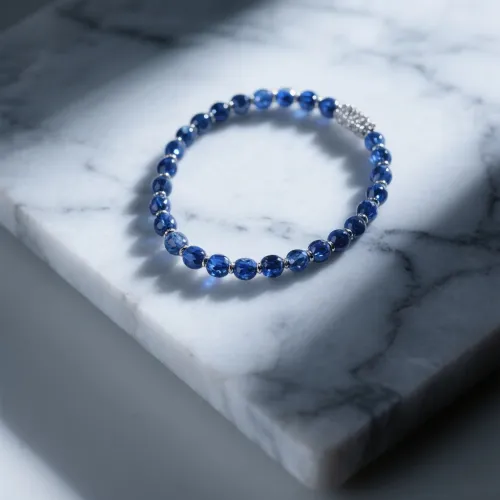
Imagine you're evaluating sapphire earrings for your anniversary. Under boutique spotlights, both stones gleam with identical "royal blue" perfection. But during coffee outdoors next morning, you notice subtle mismatch. This disconnect between human vision and molecular reality isn't your eyes playing tricks. Such experiences inspired this field-tested guide: rather than vague explanations, we've organized common misconceptions versus gemological evidence into actionable verification steps. Consider each section as your personal magnification tool for spotting the invisible forces shaping sapphire color identity.
We often presume sapphires sharing identical appearances under jewelry store bulbs possess identical color signatures. In reality, human color perception operates within strict biological boundaries. That sapphire pair appearing perfectly matched under warm boutique lighting? Metamerism means their actual spectral compositions could diverge significantly while fooling your eyes in specific conditions - like actors looking identical under stage lights but unmasked in daylight.
Nearly all colored gemstones exhibit metamerism where ambient light dramatically shifts perception. Vanadium-rich sapphires might leap dramatically in saturation under LEDs while iron-dominant stones appear consistent. For accurate assessment, gemologists insist on standardized 5500K daylight-equivalent lighting. Next time you're comparing stones, request examination both under diffused daylight simulators and direct spot lighting – it reveals inconsistencies invisible in single-light environments.
Our eyes resolve color differences down to thresholds quantified by the delta-E system. Professional gem labs consider stones visually identical if their spectrophotometer readings show delta-E below 2.0 units. Yet these tolerances only apply under controlled viewing conditions. What appears flawless to naked eyes may be scientifically distinct - spectrometers detect wavelength absorption differences as subtle as 1nm.
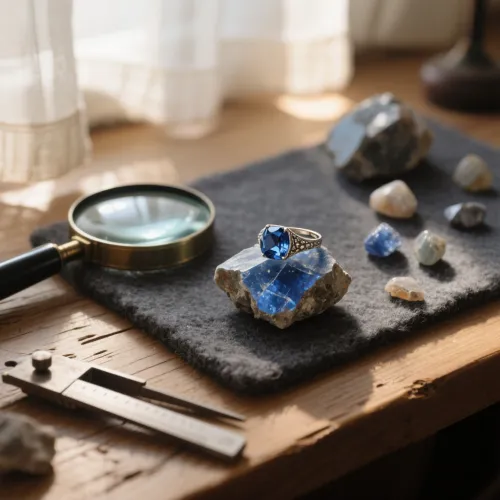
Many assume lab-grown sapphires inherently achieve mathematical color consistency impossible in nature. The fascinating reality? Even hydrothermal synthesis introduces microscopic chemical signatures as pressure fluctuations alter crystal growth. While synthetic batches average 15% tighter color distributions than mined sapphires, their atomic compositions still contain detectable variations – just within narrower thresholds.
Earth-formed sapphires display exceptional diversity due to chaotic magma chamber conditions. Trace elements distribute heterogeneously – imagine syrup swirling unevenly through pancake batter before hardening. Approximately 70% exhibit visible color zoning created during million-year crystallization periods. When observing untreated specimens, use fiber-optic light to rotate stones 90 degrees. These directional color shifts (dichroism) reveal unique crystalline orientations as permanent as geological fingerprints.
Lab environments dramatically reduce but don't eliminate color variables. Crucible rotations, temperature gradients, and solution concentrations leave subtle chemical signatures. Examine synthetic stones against a dark background with diffused lighting to observe edge contrast patterns – variations invisible under showroom conditions become apparent. This explains why synthetics intended as "matches" still get evaluated using scientific instruments before pairing.
Retail descriptions often reduce million-year geological marvels to simple three-word phrases like "velvety blue." The gemological industry counters this with spectrometer protocols mapping hue, saturation, and tone across electromagnetic frequencies. These tools don't just describe what we see - they reveal what human vision filters out.
Professionals examine pavilions before crown facets to minimize cutting interference, using grey backdrops neutralizing adjacency color illusions. Notice how jewelry industry valuation ranges implicitly acknowledge natural variation: precision-cut stones prioritizing uniformity often sacrifice distinctive color zoning patterns cherished by collectors. Tradeoffs between "perfect match" perception and character preservation exist at every level.
Forget gemological laboratories for a moment. Try these kitchen-table verifications during your next evaluation:
"Color permanence" assumptions overlook sapphires' mineralogical dynamics. Unlike inert diamonds, sapphire color stability depends on trace element interactions. Vanadium atoms exhibit particular sensitivity to extended UV exposure - stones appearing identical in showrooms may diverge after years of differing sunlight exposure.
Gemologists differentiate between "stable" and "fugitive" color properties using accelerated environmental chambers. When considering colored stones for heirloom pieces, prioritize iron-dominated compositions over vanadium-rich varieties exhibiting stronger light sensitivity. Collector-grade stones often showcase stability documentation from gem labs, revealing a layer of provenance unavailable through casual examination.
Heat treatment diffuses trace elements but doesn't reset geological history. The original crystal lattice determines diffusion patterns - like ink spreading differently through varied paper textures. To evaluate treated sapphires meaningfully, compare pavilion windows under both direct sunlight and 5000K LED illumination. Differing spectral responses reveal distinctive baseline compositions beneath enhancement layers.
Jewelry manufacturing pragmatically defines color matches as stones reading delta-E below 2.0 units under specific lighting while remaining indistinguishable at normal viewing distances. Crucially, this accepts up to 15% spectrophotometric variation. These "close enough" thresholds reveal fascinating industry truths aligning science with aesthetic perception.
Precision-cut sapphires achieve optical consistency by sacrificing individual character. Conversely, native-cut stones display the unique zoning patterns resulting from geological formation. This explains why collectors often prefer untreated specimens exhibiting authentic imperfections. Next time you encounter paired sapphires, acknowledge they represent artful compromise rather than molecular twins.
Lighter-toned sapphires often appear more consistent at the cost of intensity. Star sapphires prioritize phenomenal effects over color consistency. Every prioritization reshapes perception: untreated stones command premium for provenance but vary dramatically; heat-treated gems offer higher color predictability while preserving atomic uniqueness below surface level.
Picture this: You're examining potential engagement stones comparing documentation. These aren't scientific abstracts - they're your verification tools. When the seller says "match," verify lighting conditions; notice cutting alignment; request dual lighting presentations. Remember how trace elements measured in thousandths-percent paint the color you'll see daily? These elements form unique tapestries making every sapphire fundamentally irreplaceable despite surface resemblance. What detail would anchor your confidence before deciding?
What tools detect sapphire color differences humans miss? Spectrophotometers measure absorption patterns across wavelengths, revealing variations undetectable to human vision. These instruments create spectral signatures as unique as atomic barcodes.
Why might two stones look identical indoors but differ outdoors? Divergent spectral compositions respond differently to sunlight's full-spectrum content versus limited indoor wavelengths. This metameric effect can achieve perfect illusion under artificial light.
How frequently do treated sapphires revert towards original color? Modern heat-treated sapphires retain stable coloration under normal conditions. Vanadium-rich stones may exhibit slight tonal shifts during decades-long UV exposure through south-facing windows.
Can geological origins be visually identified in untreated stones? Untreated specimens retain chemical traces revealing provenance through telltale inclusion patterns and color zoning. However, reliable origin determination requires laboratory verification.
Why include mismatched shades in jewelry designs? Artists intentionally leverage natural variation creating textural gradients - celebrating uniqueness rather than mathematical uniformity that exists primarily in synthetic production.


$
