Fire zodiac signs respond best to brief sunlight exposure, earth signs to soil contact or crystals, air signs to ventilation, and water signs to saltwater or moonlight. Effectiveness depends on individual belief and stone condition – key factors are gem clarity, existing fractures, and environmental conditions.

Picture wandering into a crystal shop on a Tuesday afternoon. A friend swears their sapphire ring "feels different" after ocean moonlight cleansing, while you hesitate because yours has tiny fractures. Like noticing how two coffee lovers might brew the same beans differently, elemental cleansing methods reveal unexpected variations when applied to zodiac groups. This practical checklist clarifies how different sapphires respond to elemental methods, separating common assumptions from observable realities. You'll learn to spot subtle cues like color shifts or surface refraction that indicate whether fire, earth, air or water methods align with your stone's physical needs.
Many assume leaving sapphires in sunlight for hours maximizes purification. When Maya tried this with her grandfather's midnight-blue ring, morning light revealed uneven color bands – unexpected evidence of prior heat treatment. Extended exposure risks altering the very properties that make each sapphire unique.
Traces of iron or titanium determine blue sapphire's color intensity, while high-temperature formation processes create internal stresses. Geological analysis confirms that deep violet sapphires typically resist solar bleaching better than pale blue stones. Air cleansing periods between 4-48 hours balance effectiveness against dust accumulation, depending on local humidity.
"Water methods work for everyone," a boutique owner assured Zoe before her flawed sapphire developed internal clouding. While saltwater immersions energize water signs, structural reality sometimes contradicts assumptions. Fractured sapphires may experience moisture intrusion, compromising integrity despite metaphysical intentions.
Soil burial requires mineral verification - acidic components can react with corundum surface residues. Tibetan traditions recommend volcanic soils for Aries crystals while Ayurvedic practices favor river sediments for Capricorn stones. Yellow sapphires might exhibit unexpected cloudiness after immersion due to trace element combinations.
Air-element ventilation clears oil residues best in low-humidity environments, as moisture causes dust adhesion. Water sign enthusiasts might watch for quick water absorption on stone surfaces post-cleansing – possible porosity warning needing structural checks. Ultraviolet examination helps identify synthetic stones that react unpredictably to elemental methods.
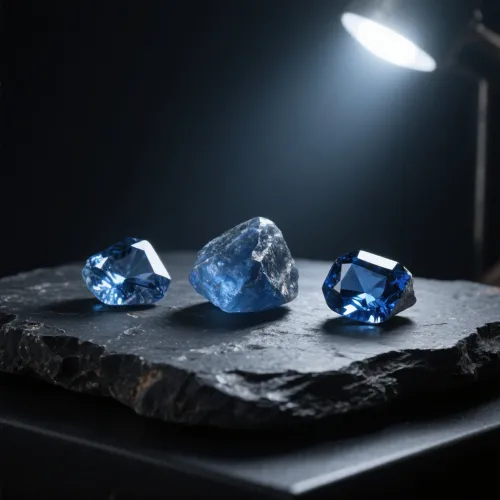
The promise of "permanent reset" after cleansing proves fleeting for gems worn daily. Daniel noticed his earth sign bracelet regained dullness within weeks until rotating between moonlight and crystal clusters monthly. Natural sapphires accumulate micro-residues influencing perceived energy – visible under 10x magnification as surface irregularities.
High-clarity stones require less frequent sessions than included specimens. A four-week cycle works for office environments, while healthcare practitioners may cleanse stones every fortnight. Before reapplying elemental methods, inspect angular growth lines under magnification for new stressors.
Cleansing rituals never alter sapphire's fundamental Mohs 9 hardness, though Emma once worried saltwater weakened her family heirloom. Structural properties remain intact, but perceived energetic shifts correlate with observable changes like refractive pattern clarity under polarized light.
Not all Leos require identical fire rituals – regional preferences and sensitivity to materials matter. Greek traditions favor dry heat for fire signs while Tibetan methods incorporate smoky quartz beds. Tailor approaches using your sapphire's historical documentation or observable traits.
Suspend fire cleansing during humid conditions and always delay purification after physical impacts. For sapphires with liquid inclusions, prioritize moonlit water or extended air exposure. Match salt concentration levels to previous cleansing intervals, reducing strength for high-frequency routines.
Next time you prepare for elemental cleansing, first ask: "Do visible inclusions suggest gentle methods?" or "How will humidity affect thermal tolerance?" Remember that morning sun works best for stable stones, while fractures demand air-based alternatives. Like learning how your favorite coffee bean responds to different grind sizes, observe your sapphire's micro-responses consistently. Keep these key touchstones: rotate methods seasonally, validate material compatibility first, and watch for subtle color/reaction changes as your guiding metrics.
How does iron content affect sun cleansing? Higher iron concentrations may reduce solar discoloration but can increase residue visibility post-cleansing.
Why avoid ultrasonic cleaning for air-sign stones? Vibrations can exacerbate existing inclusions despite effective energy dispersal.
Should origin location influence water cleansing? Geological formation conditions like mineral saturation levels may dictate saltwater immersion duration.


$
