So, what's the straight answer? Pricing a 1-carat sapphire isn't like buying apples at a grocery store – we're looking at a spectrum from $100 to over $3,000, with the exact dollar figure dancing between four key partners: color, clarity, cut, and origin. That massive range exists because every natural sapphire emerges from unique geological conditions, which determine its hue saturation and whether it needed gentle enhancements to show its best self. For confidence, always tie that price tag to independent certification that verifies these core characteristics.
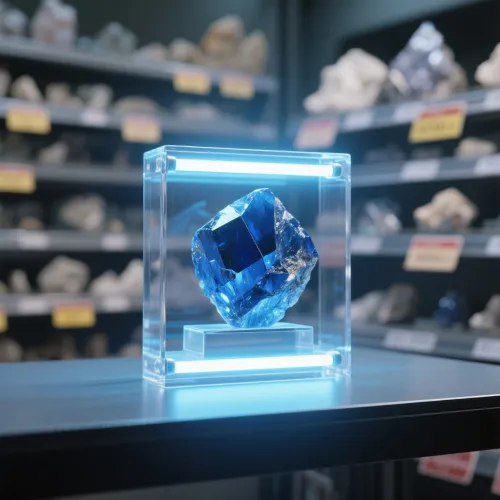
Picture yourself browsing an estate sale jewelry tray. Your eyes land on two 1-carat blue sapphire rings priced worlds apart. "Shouldn't bigger stones always cost more?" you wonder. That instinctive question reveals how easily we misjudge gem value based on surface impressions. This isn't about memorizing price charts – it's about spotting where everyday assumptions diverge from a sapphire's real story. Instead of drowning you in technical jargon, we'll walk through five tangible checks borrowed from gemologists' playbooks. You'll learn why two stones identical in weight might have wildly different worth, how to spot treatments that aren't flaws, and what subtle clues separate ordinary blues from premium treasures. Consider this your personal toolkit for navigating the sapphire world's beautiful complexities.
Many shoppers believe choosing a sapphire is simple: pick the deepest, darkest blue. Yet gem dealers know that midnight-blue stones often appear nearly black in candlelit restaurants, while vibrant cornflower blues sing in any lighting. This explains why medium-saturation stones with velvety consistency – not necessarily the darkest options – typically sit atop price lists. Why this mismatch? We instinctively equate "darker" with "richer," but sapphire value blooms at the intersection of tone, saturation, and consistency.
That mesmerizing blue comes from trace amounts of iron and titanium trapped during a sapphire's formation inside metamorphic rocks over millions of years. Saturation isn't just "more blue" – it's about how purely concentrated those color-causing impurities became. Some blues reveal themselves only under gemlights while washing out in daylight; others maintain electric vibrancy in any setting. This inherent variation creates the $100-to-$3000+ price spread among 1-carat stones.
Never judge color under a single light source. I watched a client almost walk past her dream sapphire because store fluorescents flattened its hue. We stepped outside, and sunlight revealed cornflower radiance. Try these practical field tests:
The tradeoff? While vivid saturation seems desirable, heavy saturation can obscure faceting workmanship in low-light settings. Stones exhibiting brilliance in restaurant lighting – not just museum cases – typically demonstrate superior price retention.
You've probably heard auctioneers dramatically announce "Kashmir sapphire!" followed by gasps. This fuels the myth that origin is marketing fluff rather than science. In reality, volcanic activity millions of years ago created distinct mineral 'fingerprints' in locations like Kashmir or Burma. It's not that other regions produce lesser stones – Ceylon produces extraordinary blues – but chemical signatures can create velvety softness or secondary fluorescence that experts prize. Because fewer stones with this combination survived Kashmir's geological turmoil, supply scarcity boosts prices.
Picture a sapphire crystalizing near Burmese rubies 120 million years ago – trace chromium joined the usual titanium, creating a uniquely electric blue. Similarly, Kashmir's collapsing mountains produced conditions trapping microscopic fluids that scatter light into velvety glow. Geographic indications like "Ceylon" denote visual expectations; Sri Lankan sapphires often feature lighter cyan blues than Burmese cousins, which impacts comparative value.
Never take a dealer's "origin guarantee" at face value. Labs use advanced spectrometry to detect mineral hallmarks:
Supply fluctuations create pricing discontinuities – when new Madagascan mines opened, Kashmir premiums widened as their rarity grew comparatively. This isn't brand favoritism, but geological scarcity economics.
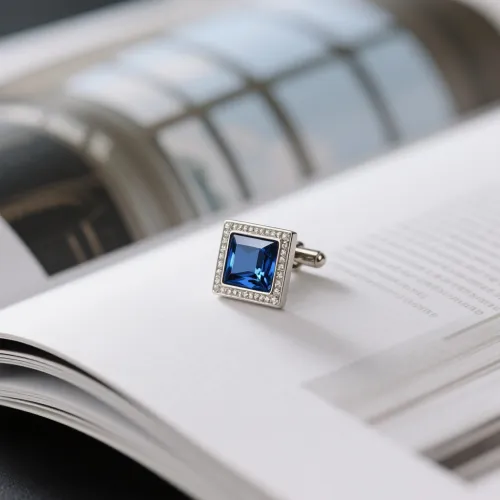
Imagine overhearing "My sapphire is untreated – so it's better!" at a jewelry store. This common stance stems from viewing heat treatments as deceptive 'cheating.' In truth, high-temperature enhancement dates back millennia. Many sapphires form under chaotic underground pressures resulting in hazy bluish-grey tints. Gentle heating realigns these microscopic mineral barriers, releasing the blue underneath or dissolving rutile silk to improve transparency. When performed well, these processes simply finish what earth started.
Undisclosed fracture filling turns routine treatments into dealbreakers. Gem labs categorize treatment levels from "none detected" to "minor" or "significant". A stone carrying GIA's "No Evidence of Heat" rating trades at premiums because natural crystallization aligned perfectly without help. Conversely, unmarked sapphires filled with glass-like fillers to conceal cracks aren't valued as natural stones but as composite materials. Transparency builds trust at both extremes.
While only labs offer definitive conclusions, collectors should look for signs demanding investigation before purchasing:
Heat acceptance hinges on intent: When restoration reveals inherent beauty rather than concealing flaws, the marketplace acknowledges this craftsmanship without dismissing geological rarity.
Commercials love sparkling stones under 50x magnification. Reality? Microscopic silk threads, healed fractures, and crystal ‘freckles’ naturally occur as minerals crystallize over eons. Stones appearing flawless to your eye (called "eye-clean") might reveal complex inclusions when jewelers whip out loupes. The $3,000-tier 1-carat star exists not because it passes a microscope exam, but because impurities didn't reach viewability thresholds that distract beauty. Perfection expectations fundamentally misunderstand how gems form.
The most valuable inclusions aren't flawless stones, but characteristics revealing natural formation. Needle-like rutile silk in parallel groups confirms unheated status – thermal treatment dissolves these. Fluid fingerprints prove millions of years underground crystallization. Collectors balance minimal visibility against the unique stories inclusions tell. A minor visible inclusion away from the crown rarely collapses value like a prominent fracture intersecting light paths.
Forget microscope hunts – you need practical clarity evaluation methods:
The rarity jump between "eye-clean" and "loupe-clean" causes price spikes for 1-carat stones since flawless material yields are minuscule.
"Twice the weight means twice the price, right?" whispers our linear thinking brain. Sapphire economics laugh gently. While larger stones demand scarcity premiums, their value drivers remain fundamentally linked to color, clarity, and cutting efficiency. A poorly cut 1.5-carat stone loses light through windowed areas, looking less brilliant than a precision-cut 1-carat alternative. Furthermore, larger gems concentrate inclusions since interior flaws avoid reaching surfaces – finding pristine clarity above 1 carat becomes exponentially tougher.
Cutting involves brutal weight sacrifice. Precision artisans sometimes remove 30-40% of carat potential to eliminate inclusions or achieve optical symmetry. Why? Better fire returns value above raw weight:
Brilliance trades directly against carat weight – cutters prioritizing optics cut deeper, reducing measurable carats but boosting per-carat appeal.
Sapphires pricing breaks occur near popular carat sizes. A 1.01 carat stone doesn't command much premium over 0.99 carats. But cross 1.50? Price per carat leaps as collectors target "1.5+ CT" classifications. Savvy buyers balance weight against cut efficiency: A 0.95CT ideal-cut sapphire sometimes outsparkles bulky 1.05CTs carrying extra weight unprofitably within their girdle.
Let's revisit that estate sale. Your brain holds the technical framework – now transform insights into simple actions:
Picture yourself six months from now, standing watchfully at an auction preview. When others see "a blue stone", you'll notice color zoning patterns whispering "Ceylon", subtle silk threads confirming authenticity, and precision cuts maximizing brilliance. That knowledge shift – blending gemology with intuition – turns price tags into stories.
What influences the price beyond carat weight? Blue sapphire pricing hinges primarily on color saturation intensity, distribution uniformity (no zoning), origin-dependent rarity factors, presence or absence of thermal enhancement treatments, and cutting precision that optimizes light return. Weight sets base parameters, but these attributes multiply value.
How can I identify a fake sapphire? Synthetic sapphires share identical chemical makeups to mined stones, but natural varieties typically contain microscopic inclusions like fluid fingerprints, rutile needles, or crystalline feathers detectable under 10x magnification. Certified origin verification provides the clearest distinction.
Is a heat-treated sapphire considered authentic? Heat enhancement represents the most widely accepted industry practice – approximately 95% of fine sapphires receive this treatment to clarify visibility and intensify colors. Provided disclosures occur transparently during sale, heat-treated stones hold authentic mineral status and carry meaningful value comparable to unheated specimens when priced appropriately.
Where are premium sapphires mined? Historically, Kashmir produces highly esteemed velvety blues that command auction premiums, followed by Burmese stones exhibiting vivid, chromium-tinged blue saturation. Currently, Madagascar and Sri Lanka dominate commercial quality mining outputs offering varied blue saturations at accessible price points. Origin determines rarity multipliers, not fundamental beauty.
How does sapphire clarity grading influence cost? Professional clarity assessment focuses on inclusions' visibility to the unaided eye – not microscopic perfection. Top-tier "eye-clean" sapphires (imperfections invisible at 30 cm) fetch notable premiums over "slightly included" stones where flaws become apparent without magnification, particularly at the 1-carat threshold where flawless clarity proves exceptionally scarce.


$
